Part of: Eating on GLP-1s · What to eat (and avoid)
What to Eat on a GLP-1
A plain-English guide to eating on GLP-1 medications: which foods to prioritize, which to limit and why, how to build a small but complete plate, hydration and fiber timing, nutrients to watch and a sample day, based on the 2025 joint nutrition advisory and major medical centers.

GLP-1 medications change eating in two ways at once. They quiet hunger, so you want less food, and they slow the stomach, so less food fits. That is a big part of why they work. It is also why the question “what should I eat?” becomes more important, not less, once treatment starts.
This guide pulls together the most useful current advice: the 2025 joint nutrition advisory on GLP-1 therapy from four major US societies, practical guidance from Cleveland Clinic clinicians, the FDA prescribing information for semaglutide and the 2025–2030 Dietary Guidelines for Americans. It explains which foods to put first, which ones tend to cause trouble, and how to turn that into simple meals when you are barely hungry.
This is general education, not a personal meal plan. People with diabetes, kidney disease, a history of eating disorders, pregnancy plans, food allergies or other medical conditions need individualized advice from a clinician or registered dietitian. Never change a medication dose on your own.
The short answer: small, complete, protein-first meals
If you remember only four things, make it these:
- Protein first. Start each meal with a protein food (fish, eggs, poultry, Greek yogurt, cottage cheese, tofu, beans or lentils) so you get it in before you feel full.
- Then color and fiber. Add vegetables or fruit and, if there is room, a fiber-rich carbohydrate such as oats, quinoa, brown rice or whole-grain bread.
- Small and regular beats big and rare. Several modest meals at consistent times usually feel better than one or two large ones, and help you avoid going too long without food.
- Go easy on grease, sugar and big portions. Fried and very fatty foods, sugary drinks, refined snacks and large meals are the most common triggers for nausea, reflux and fullness that lasts for hours.
The rest of this article explains why these rules work and how to apply them.
Why eating changes on a GLP-1
GLP-1 medicines mimic a gut hormone your body already releases after meals. According to the FDA label for semaglutide, the drug delays gastric emptying, meaning food stays in the stomach longer. Combined with effects on appetite centers in the brain, that leads people to eat noticeably less. The 2025 joint advisory reports observed calorie reductions of roughly 16% to 39% in people taking these medicines.
Three practical consequences follow:
- Portions shrink. As Cleveland Clinic obesity medicine specialist Keren Zhou, MD, puts it, a big meal “doesn’t really fit” anymore, and trying to force it often brings nausea and reflux.
- Nutrient gaps become easier to fall into. The advisory warns that large, rapid drops in intake can lead to too few vitamins and minerals, especially when energy intake falls below about 1,200 calories a day for women or 1,800 for men.
- Food preferences can shift. Many people report less interest in sweet, savory, starchy and high-fat foods, and less “food noise.” But the advisory also notes that nausea can trigger cravings for comfort foods such as white bread or white rice, and some people develop food aversions around dose increases.
On social media, dietitians keep making the same point that clinicians make in the exam room: low appetite does not lower your body’s need for protein, fiber, fluids and micronutrients. When hunger is quiet, each bite has to do more work.
The prescribing information for semaglutide and other GLP-1s also says these medicines are meant to be used with a reduced-calorie diet and increased physical activity. The food choices below are how you make that reduced-calorie diet nourishing rather than just smaller. If you want a refresher on the energy side, see what a calorie deficit is.
Foods to put on your plate
The joint advisory’s dietary table lists the food groups to encourage during GLP-1 therapy. The Dietary Guidelines for Americans, 2025–2030, which call on everyone to “eat real food,” point in a broadly similar direction: protein at every meal, vegetables and fruits throughout the day, whole grains over refined ones, and far fewer highly processed foods.
| Food group | Examples | Why it helps on a GLP-1 |
|---|---|---|
| Lean proteins and eggs | Fish and seafood, chicken, turkey, eggs | Helps protect muscle while you lose weight; small portions deliver a lot of protein |
| Dairy | Plain Greek yogurt, cottage cheese, milk, cheese | Soft, easy-to-eat protein plus calcium |
| Plant proteins | Beans, lentils, peas, tofu, tempeh, edamame | Protein and fiber together |
| Vegetables | Leafy greens, broccoli, carrots, tomatoes, squash, peas | Vitamins, minerals, fiber and water for few calories |
| Fruits | Berries, apples, citrus, bananas, grapes | Fiber, vitamin C and potassium; easy when appetite is low |
| Whole grains | Oats, quinoa, brown rice, whole-grain bread and pasta | Steadier energy and fiber |
| Nuts, seeds and plant oils | Almonds, peanuts, chia, hemp seeds, olive or canola oil, avocado | Healthy fats and minerals in a small volume |
Two nutrients deserve special attention: protein and fiber. Cleveland Clinic’s GLP-1 diet guidance singles them out: both help you feel full longer and support steady blood sugar, protein helps your body hold on to muscle, and fiber helps counter the constipation GLP-1s can cause.
How much protein?
The advisory notes that higher protein targets, around 1.2 to 1.6 grams per kilogram of body weight per day, have been proposed during active weight loss, while cautioning that using total body weight can overestimate needs in people with obesity. It offers practical alternatives, including an absolute target of about 80 to 120 grams per day. The 2025–2030 Dietary Guidelines also list 1.2 to 1.6 g/kg/day as a protein goal for adults, adjusted to individual calorie needs.
We break down the options, with worked examples, in how much protein you need on a GLP-1, and our free protein calculator gives you a starting number to discuss with your clinician.
Just as important: the advisory stresses that extra protein alone is unlikely to protect muscle without structured strength training. Food and exercise work as a pair; see strength training on GLP-1s.
Where the guidance differs
Expert sources do not agree on everything, and it is worth knowing where they part ways:
- Red meat. The joint advisory recommends minimizing red and processed meats, citing links to type 2 diabetes, heart disease and colorectal cancer in general populations. The new Dietary Guidelines include red meat among recommended protein foods, while advising meat with little or no added sugars, refined starches or additives.
- Dairy fat. The Dietary Guidelines encourage full-fat dairy without added sugars. GLP-1-focused clinicians often steer people toward lighter options because high-fat foods slow the stomach further and are common nausea triggers.
A reasonable middle ground for most people on a GLP-1: lean toward fish, poultry, eggs, beans and plain dairy, keep processed meats occasional, and judge richer foods by how your stomach handles them. A registered dietitian can help if you have heart disease, high cholesterol or other conditions that change the picture.
Foods to limit, and why they hit harder now
The advisory’s “minimize” column is short: refined carbohydrates (refined grains, flours, added sugars), sugar-sweetened beverages, red and processed meats, most fast foods, and sweets and savory snacks. It also lists eating habits to avoid: large meals, long periods without eating, and emotional, mindless or nighttime eating. Cleveland Clinic’s lists of common trigger foods add a few more.
- High-fat and greasy foods (pizza, fried chicken, creamy sauces). Fat already slows stomach emptying; on top of a GLP-1, it can leave you uncomfortably full and nauseous for hours.
- Large meals. The advisory notes that vomiting is more likely after large meals. Portion size is often a bigger trigger than any single food.
- Sugary foods and drinks (juice, soda, candy, desserts). They add calories with little nutrition, and some people find sweet foods worsen queasiness.
- Refined carbohydrates and packaged snacks (white bread, crackers, chips). They take up precious stomach space without much protein, fiber or micronutrients.
- Spicy foods. Hot sauce and chili peppers are a common reflux and upset-stomach trigger for some people on GLP-1s.
- Carbonated drinks. Dr. Iqbal notes that carbonated beverages, like fried and high-fat foods, can upset the stomach and worsen nausea.
- Alcohol. The advisory says alcohol may worsen nausea and reflux and should be kept minimal.
“Limit” does not mean “never.” The advisory itself lists flexibility with food choices and portion-controlled treats among the habits to encourage. The goal is a pattern you can live with, not a list of forbidden foods.
How to build a GLP-1 plate
Think of your plate as a smaller version of a balanced meal rather than a stricter diet. A simple order of operations:
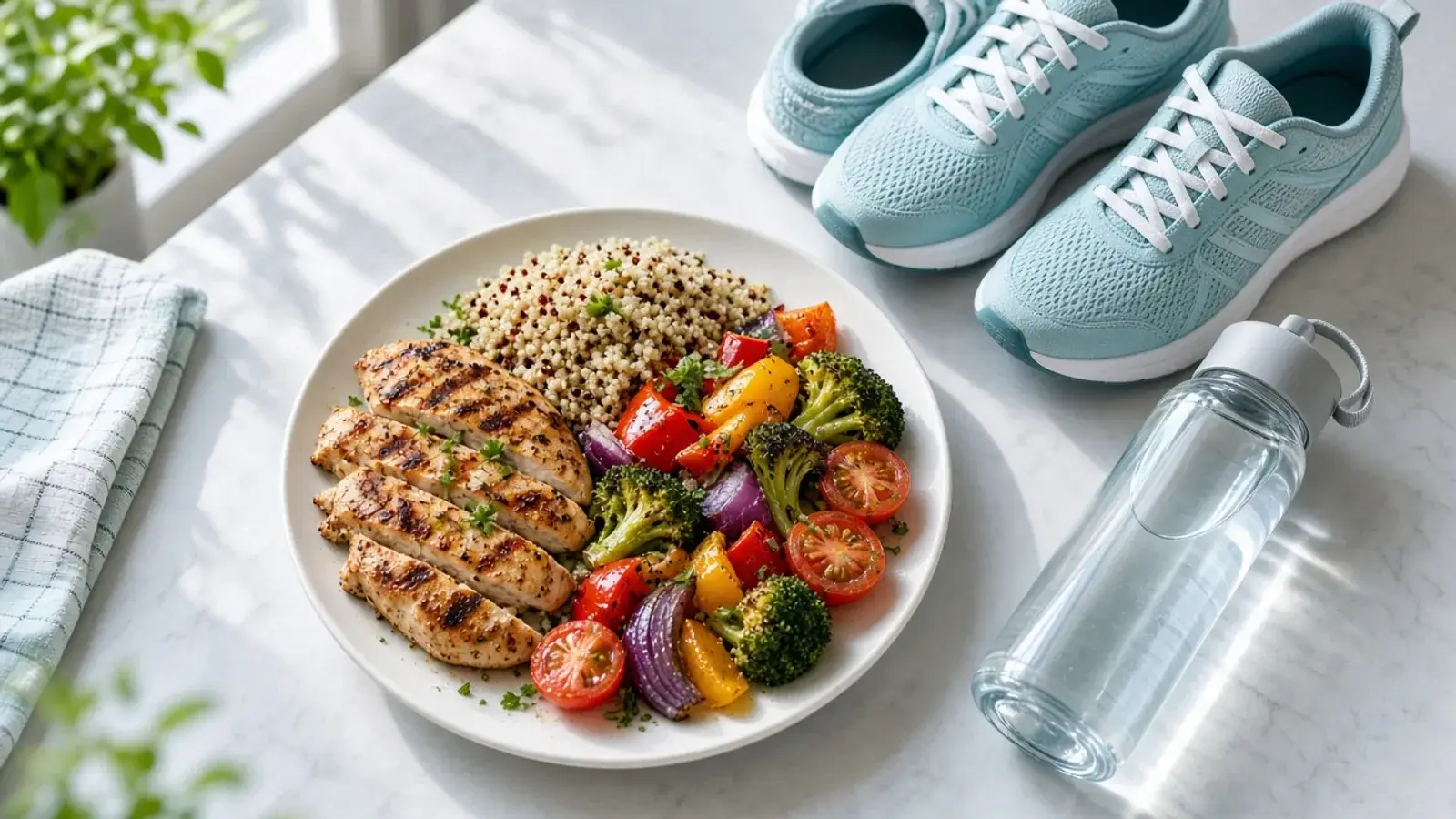
- Pick the protein (about a palm-sized portion of fish, chicken or tofu, or a cup of Greek yogurt or cottage cheese, adjusted to what you can comfortably eat).
- Add a vegetable or fruit for color, fiber and fluid.
- Add a fiber-rich carbohydrate if there is room: a few spoonfuls of quinoa, half a slice of whole-grain toast, a small baked potato, or beans.
- Finish with a little healthy fat for flavor: olive oil, a few nuts, some avocado.
Eat the protein first. Put your fork down between bites. Stop when you feel satisfied rather than full, since it can take your brain a while to register fullness, and that lag matters more when your stomach is emptying slowly.
Some plate ideas that work well when appetite is low:
- An egg or egg-white scramble with vegetables and a small side of oatmeal (a breakfast a Cleveland Clinic registered dietitian suggests)
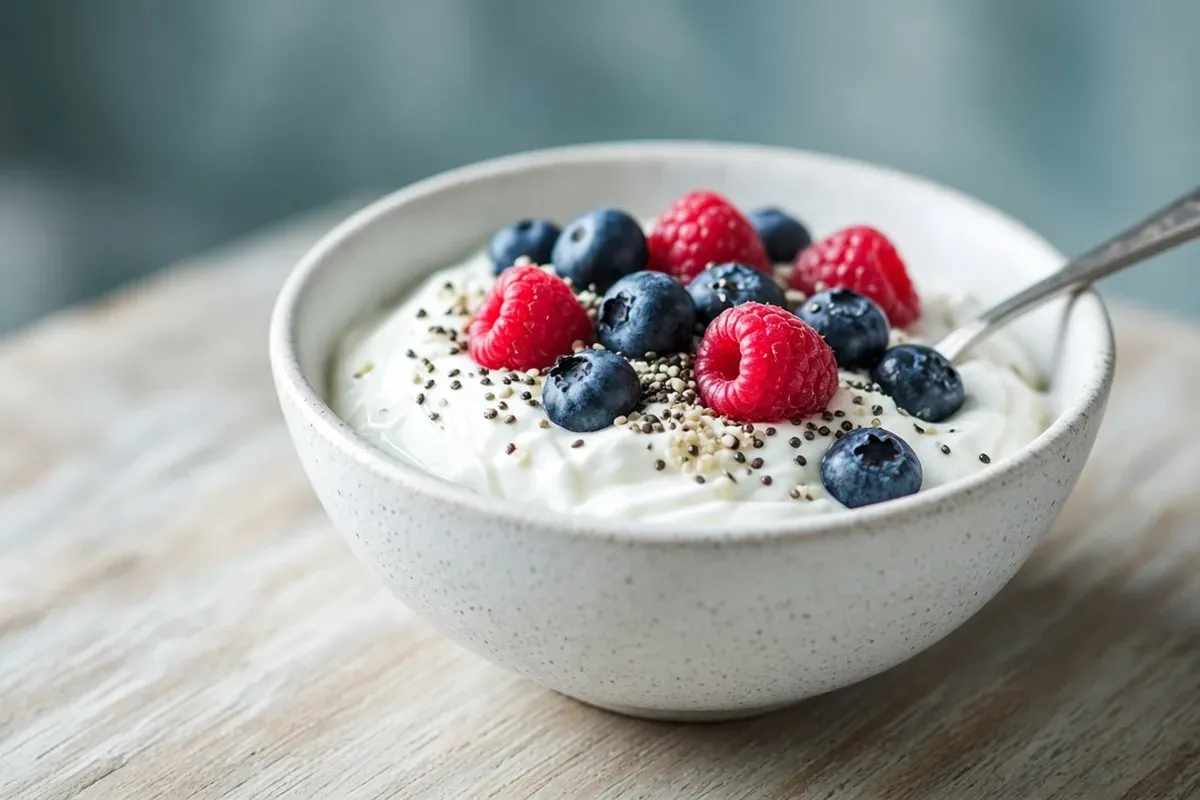
- Plain Greek yogurt with berries and a spoonful of chia or hemp seeds
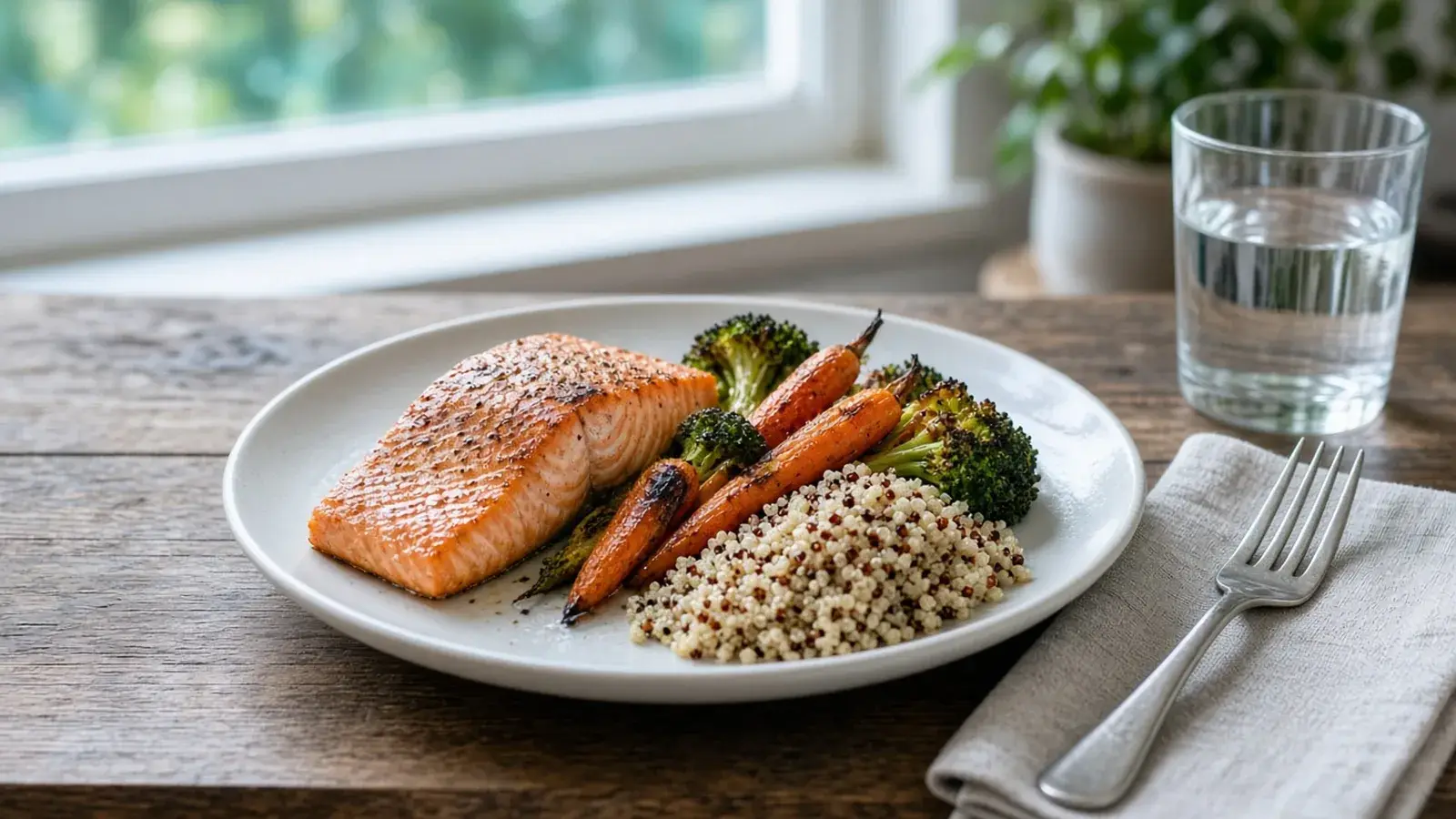
- Baked salmon, roasted carrots and a small scoop of brown rice
- Lentil soup with a side of cottage cheese
- Tofu and vegetable stir-fry over a small portion of quinoa
- Tuna or chicken salad made with yogurt on whole-grain crackers, with sliced apple
For more ideas organized by meal, our high-protein eating guide collects recipes and tips from across the site.
When and how often to eat
GLP-1s can make you forget to eat. That sounds convenient but tends to backfire. The advisory describes a cycle in which people skip food because of nausea, which makes the nausea worse, which makes eating even less likely. It notes that nausea often shows up in the morning or after long stretches without food.
Practical patterns clinicians use:
- Small, regular meals at consistent times. For people struggling with nausea, the advisory describes a small breakfast, then small meals every 3 to 4 hours, with adequate fluids. Clinicians frame this slightly differently: Cleveland Clinic endocrinologist Anira Iqbal, MD, recommends smaller, more frequent meals, while a Cleveland Clinic registered dietitian suggests sticking with three meals a day and limiting snacks, especially junk food. The common thread is regular eating rather than skipping.
- Reminders. If you never feel hungry, the advisory suggests setting an alarm or reminder to eat.
- Softer, lighter textures on rough days. Smoothies made with fruit, vegetables and unsweetened milk or yogurt, cottage cheese and soups are often more appealing than heavy foods like red meat, cold cuts or hard cheese.
- Stay upright after eating. Cleveland Clinic suggests staying upright for about 30 minutes after a meal, because lying down can intensify nausea.
- Lighter eating around dose changes. Dr. Zhou recommends eating lighter in the 24 hours before a first dose or a dose increase, without skipping meals, and avoiding a “last hurrah” feast before starting.
Some people pair GLP-1s with intermittent fasting or very low-carb diets. Dr. Iqbal advises avoiding prolonged fasting on these medicines, which can lead to muscle loss and low energy, and avoiding the ketogenic diet, which she notes can raise the risk of ketoacidosis, a life-threatening complication, especially in people with diabetes. Talk to your prescriber before combining fasting or a very restrictive diet with a GLP-1.
Hydration: the overlooked part of eating
When the drive to eat drops, the drive to drink often drops with it. Dr. Zhou notes that when patients feel unwell on these medicines, it sometimes turns out they simply forgot to drink.

This matters for more than comfort. The FDA label for semaglutide reports postmarketing cases of acute kidney injury, most in people who became dehydrated from nausea, vomiting or diarrhea, and advises monitoring kidney function in patients with GI side effects that could cause fluid loss, especially when starting or increasing the dose.
Simple habits:
- Sip water throughout the day rather than drinking a large glass with meals, which can fill you up before you have eaten.
- Keep a water bottle where you can see it, or set reminders.
- Choose water or unsweetened drinks; broth and water-rich fruits and vegetables count toward fluids too.
- If you have diarrhea or vomiting, replace fluids and electrolytes, and call your clinician if you cannot keep liquids down.
Fiber: helpful, but time it
Constipation is one of the most common GLP-1 side effects, and food-based fiber plus fluids is the first-line approach. The advisory suggests gradually adding foods with both soluble and insoluble fiber, such as prunes or other dried fruit, and water-rich fruits and vegetables.
The key word is gradually. Adding a lot of fiber at once, especially when you already feel full and bloated, can make things worse. Cleveland Clinic advises taking it easy on high-fiber foods right after a GLP-1 dose if you feel GI discomfort, and the advisory notes that avoiding fatty or high-fiber foods for the first few days of treatment can help with nausea. A workable approach for many people: build fiber slowly through the week, keep the biggest servings away from dose day, and drink more as fiber goes up.
The advisory also points out that protein- and fat-rich foods slow stomach emptying further, which can worsen constipation. If constipation becomes a problem, ask your clinician about other options rather than cutting protein sharply. Our side effects hub covers GI symptoms in more depth.
Eating around common side effects
Food choices are one of the main tools for managing GI symptoms. A quick reference:
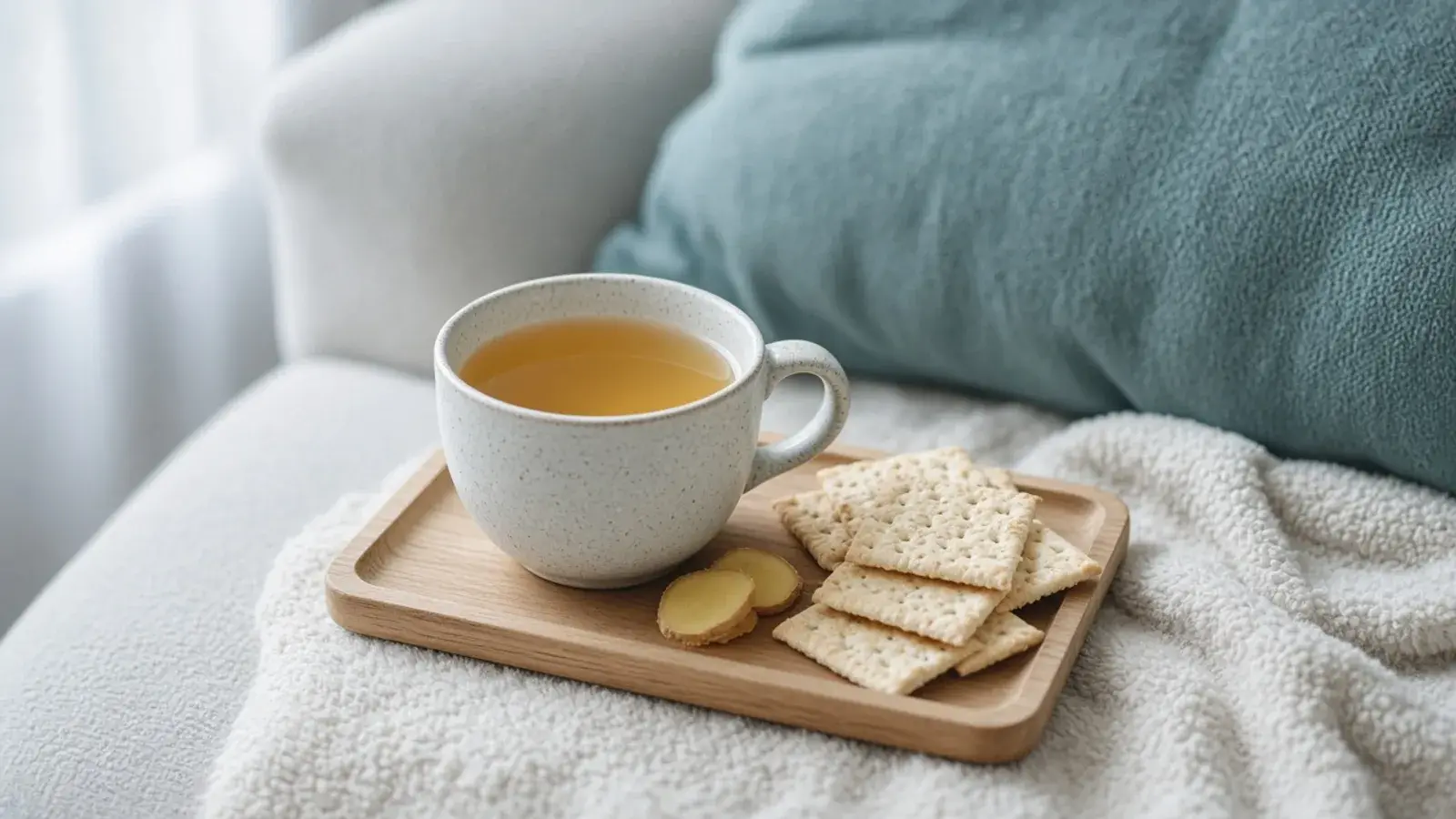
- Nausea: small, bland, low-fat meals; avoid long gaps without food; ginger or peppermint tea may help (without added sweeteners). Full guide: GLP-1 nausea.
- Constipation: fluids, gradual fiber, light movement such as a short walk after meals.
- Diarrhea: soft, bland, lower-fiber foods while it lasts; fluids with electrolytes; Cleveland Clinic suggests limiting caffeine, alcohol and dairy-based drinks during episodes.
- Reflux: smaller portions, less fat and spice, no lying down soon after eating, and minimal alcohol.
Severe or persistent symptoms are a reason to call your clinician, not to push through. A slower dose schedule or other treatment changes may help, and only your prescriber should make those decisions.
Nutrients to watch when you eat much less
Because portions are smaller, food quality matters more. The joint advisory lists several nutrients of concern during GLP-1 therapy: iron, calcium, magnesium, zinc, and vitamins A, D, E, K, B1, B12 and C. It describes possible warning signs of a frank deficiency, including fatigue beyond what you would expect, excessive hair loss, flaky or itchy skin, muscle weakness, poor wound healing and unusual bruising.
The advisory says supplements such as vitamin D, calcium, B12 or a multivitamin-mineral tablet can be considered for at-risk nutrients, at appropriate doses tailored to the individual, and that nutrient levels can be re-checked during treatment. That is a conversation for your clinician, who can order tests and recommend specific products and doses. More food variety, including colorful vegetables and fruits, dairy or fortified alternatives, seafood, nuts, seeds and whole grains, covers many of these bases on its own.
A sample day (illustrative only)
This is an example pattern to show how the principles fit together, not a prescription. Portions should match your appetite, needs and your care team’s advice.
- Breakfast: Scrambled eggs with sautéed spinach, plus a few spoonfuls of oatmeal with berries
- Mid-morning: Plain Greek yogurt with a sprinkle of hemp seeds
- Lunch: Lentil and vegetable soup with a small side of cottage cheese
- Afternoon: Apple slices with a tablespoon of peanut butter; water or herbal tea
- Dinner: Baked fish, roasted vegetables and a small scoop of quinoa
- If appetite is very low: A smoothie made with milk or soy milk, yogurt, frozen fruit and a handful of spinach can stand in for a meal
Notice what the day has in common: protein at every eating occasion, produce throughout, whole grains in modest amounts, nothing fried, and fluids spread out.
Common myths about eating on GLP-1s
“If I’m not hungry, I don’t need to eat.” Appetite is a signal about desire to eat, not a full readout of what your body needs. Going long stretches without food can worsen nausea and make nutrient and muscle loss more likely.
“The medicine does the work, so food doesn’t matter.” The prescribing information pairs these drugs with a reduced-calorie diet and more activity, and the advisory describes nutrition support as central to managing side effects, protecting muscle and bone and maintaining results.
“Eating as little as possible speeds things up.” Very low intake raises the risk of nutrient shortfalls and muscle loss. The goal is enough nourishing food in a smaller package, not the smallest possible amount.
“There’s a list of GLP-1 superfoods.” No single food makes these medications work better. Overall patterns matter far more than any one ingredient.
Before surgery or procedures
Because GLP-1s slow stomach emptying, the FDA label notes rare reports of pulmonary aspiration (stomach contents entering the lungs) in people undergoing procedures under general anesthesia or deep sedation, even when they followed fasting instructions. The label tells patients to inform their healthcare providers before any planned surgery or procedure that they take one of these medicines. Do that early, and follow the specific eating and fasting instructions your surgical team gives you.
When to call your clinician
Contact the prescribing clinician promptly if you:
- cannot keep food or fluids down, or have vomiting or diarrhea that lasts
- notice signs of dehydration, such as reduced urine, dizziness or heart palpitations
- have severe or persistent abdominal pain (seek urgent care if it is severe)
- are eating so little that you feel weak, faint or unusually tired
- notice possible signs of poor nutrition, such as severe fatigue, unusual hair loss, pale skin, easy bruising or slow-healing cuts
Questions to ask your clinician or dietitian
- What daily protein target makes sense for me, and should it be based on my current weight, an adjusted weight or my lean mass?
- Do I need any blood tests for vitamins or minerals before or during treatment?
- Should I take a multivitamin, vitamin D, calcium or B12?
- How should I handle eating on days when I can barely manage food?
- Are there foods I should limit because of my other conditions or medications?
- Can I be referred to a registered dietitian for a personal plan?
How this fits our nutrition guides
This article is the starting point for the Eating on GLP-1s hub, which also covers protein targets, high-protein foods and meal planning. For the bigger picture of how these medicines work, see what a GLP-1 medication is and how GLP-1s work for weight loss. If you take the tablet form, oral semaglutide explained covers its morning routine around food and water. New to treatment? Our first 30 days guide puts the early-weeks advice in one place.
The bottom line
There is no special GLP-1 diet, but there is a clear direction. Eat small, regular meals built on protein, vegetables, fruits, whole grains, beans, dairy, nuts and seeds. Put protein first. Go easy on greasy food, big portions, sugary drinks, refined snacks and alcohol. Sip fluids all day, build fiber up slowly, and pair your eating plan with strength training. Then work with your clinician or a registered dietitian to fit it to your body, your conditions and the foods you actually enjoy.
Explore more in the Eating on GLP-1s hub and the GLP-1 Guide.
Medical disclaimer: Weightomics publishes general health information for education only. It is not a substitute for professional medical advice, diagnosis or treatment. Never start, stop or change a medication or diet plan without talking to a licensed clinician.
Frequently asked questions
Is there an official GLP-1 diet?
No. GLP-1 medications such as semaglutide and tirzepatide are labeled for use alongside a reduced-calorie diet and increased physical activity, but there is no single required menu. The 2025 joint advisory from the American College of Lifestyle Medicine, American Society for Nutrition, Obesity Medicine Association and The Obesity Society recommends a pattern built on minimally processed, nutrient-dense foods with protein as a priority, eaten as small, regular meals.
What foods should I avoid on a GLP-1?
Nothing is banned for everyone, but some foods cause problems more often. Cleveland Clinic lists high-fat foods such as pizza and fried chicken, spicy foods, sugary foods and drinks, refined carbohydrates and ultra-processed snacks as common triggers for GI side effects. Large meals and alcohol can also worsen nausea and reflux. Notice your own triggers and adjust.
What should I eat first at a meal?
The joint advisory suggests eating protein-rich foods first in a meal so you are more likely to get enough before you feel full. Then add vegetables or fruit and a fiber-rich carbohydrate as your appetite allows.
How often should I eat if I'm never hungry?
The advisory suggests regular, small meals at consistent times and warns against long gaps without food, which can worsen nausea and lead to under-eating. For people stuck in a cycle of nausea and not eating, it describes a small breakfast followed by small meals every 3 to 4 hours with adequate fluids. Some people set reminders to eat.
Should I eat more fiber on a GLP-1?
Fiber from foods helps with constipation, which is common on GLP-1s, but increase it gradually. Cleveland Clinic advises taking it easy on high-fiber foods right after a dose if you already feel bloated or full, and the advisory notes that avoiding fatty or high-fiber foods for the first few days of treatment can help some people with nausea.
Can I drink alcohol on a GLP-1?
The joint advisory notes that alcohol may worsen nausea and gastroesophageal reflux on GLP-1 therapy and recommends keeping it minimal. Alcohol also adds calories without nutrients. Ask your clinician what is safe for you, especially if you have diabetes or take other medications.
Do I need vitamins or supplements on a GLP-1?
Not automatically. Eating much less can make it harder to meet vitamin and mineral needs. The advisory lists iron, calcium, magnesium, zinc and vitamins A, D, E, K, B1, B12 and C as nutrients of concern and says supplements such as vitamin D, calcium, B12 or a multivitamin can be considered, tailored to each person. A clinician can check your levels and recommend doses.
Do I need to eat differently on the GLP-1 pill?
The overall food pattern is the same, but oral semaglutide has specific rules about taking it on an empty stomach with a small amount of water and waiting before eating. Follow the label and your prescriber's instructions; our oral semaglutide explainer covers the routine.
Sources
- Mozaffarian D et al. Nutritional priorities to support GLP-1 therapy for obesity: a joint advisory (ACLM, ASN, OMA, TOS). Am J Clin Nutr 2025 / PMC
- Cleveland Clinic Health Essentials: How To Manage the Digestive Side Effects of GLP-1 Medications (Sept 9, 2026)
- Cleveland Clinic: GLP-1 Diet: What To Eat & Avoid
- Cleveland Clinic Health Essentials: How To Keep Weight off With GLP-1s (May 5, 2026)
- Cleveland Clinic Newsroom: Importance of nutrition while taking weight-loss drugs (Mar 2025)
- FDA: Wegovy (semaglutide) injection prescribing information (revised 08/2025)
- USDA / HHS: Dietary Guidelines for Americans, 2025–2030 (realfood.gov)
Keep reading in Eating on GLP-1s
- How Much Protein Do You Need on a GLP-1?How much protein to aim for on a GLP-1, according to the 2025 joint nutrition advisory: ranges, lean-mass methods, food ideas when appetite is low, and what to ask your clinician.
See the full Eating on GLP-1s hub →
Know someone who would enjoy this?